
Stable Access Built for Long-Term Use
Pads & Driveways in Tallahassee for properties needing gravel or dirt access roads and level building foundations
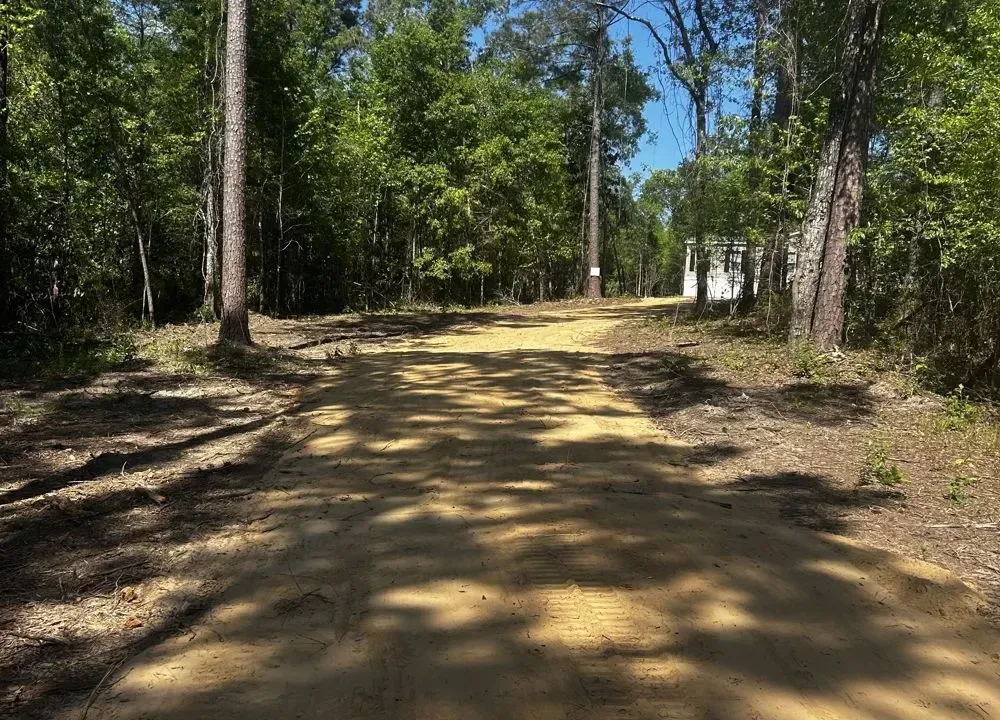
Properties without paved access or level building areas require graded driveways and compacted pads before structures go up or equipment moves in. Rowdy Forestry LLC constructs gravel and dirt driveways, house pads, barn pads, and shop foundations across North Florida and South Georgia, shaping and compacting base material to support vehicle traffic and building loads without rutting or settling. Each installation is graded to match property elevation, soil type, and intended use.
The process begins with clearing the footprint, excavating to stable subgrade, and placing layers of fill or aggregate that are compacted in lifts. Driveways are crowned or sloped to shed water toward edges, and building pads are leveled with outward drainage so structures stay dry during heavy rain. Material selection depends on whether the surface will carry daily traffic, occasional farm equipment, or remain mostly unused except during construction.
Request a customized estimate to discuss driveway length, pad dimensions, and material options suited to your property's soil and drainage characteristics.
What Changes After Installation Completes
Driveways and pads are built in compacted lifts using a combination of native soil, clay, or gravel depending on traffic loads and drainage needs. Each lift is spread evenly, then compressed with heavy equipment to eliminate air pockets and prevent future settling. Gravel driveways use angular stone that locks together under compaction, while dirt roads rely on clay binder or native soil with enough clay content to harden when dry and shed water when wet.
After construction, driveways provide firm traction without soft spots or mud ruts, and building pads remain level and stable under the weight of structures or stored equipment. Water flows off surfaces instead of pooling, and vehicle tires no longer sink into loose soil during wet periods. Properly graded access roads last years with minimal maintenance, though gravel may need periodic topping and grading to fill ruts that develop over time.
Residential driveways typically use smaller gravel for smoother surfaces, while agricultural and commercial sites often install thicker base layers and larger aggregate to handle heavier loads. Building pads for barns or shops require more compaction and fill than simple equipment storage areas, and pad height must account for stormwater runoff patterns across the property.
Common Questions About This Service
Clients planning driveways or building pads often want to understand material choices and how construction affects long-term performance.
What material works best for driveways?
Gravel driveways using angular stone provide the firmest surface and best drainage, while dirt roads work for properties with naturally high clay content that compacts well and resists erosion.
How are building pads different from driveways?
Pads are leveled to a specific elevation with minimal slope, compacted more heavily to prevent settling under structural loads, and often require more fill material to raise the building above surrounding grade.
When should driveways be installed during construction?
Driveways install after site clearing but before heavy construction traffic begins, providing stable access that protects the building pad from damage caused by repeated equipment passes.
What drainage considerations affect pad and driveway construction?
The Tallahassee region's frequent heavy rainfall requires crowned driveways and pads graded to move water away from structures, with ditches or swales at driveway edges to carry runoff off the property.
How does soil type influence construction methods?
Sandy soils drain quickly but need more compaction and deeper aggregate layers to stay firm, while clay soils hold together better but require careful grading to prevent water from saturating the surface and creating soft spots.
Rowdy Forestry LLC builds driveways, house pads, barn pads, and shop foundations for residential, agricultural, and commercial properties throughout the region. Arrange a site visit to evaluate your property's access needs and discuss grading, material, and drainage solutions based on soil conditions and intended use.