Access Restored After Severe Weather
Storm Cleanup in Tallahassee for properties with fallen trees, storm debris, and damaged vegetation blocking safe access
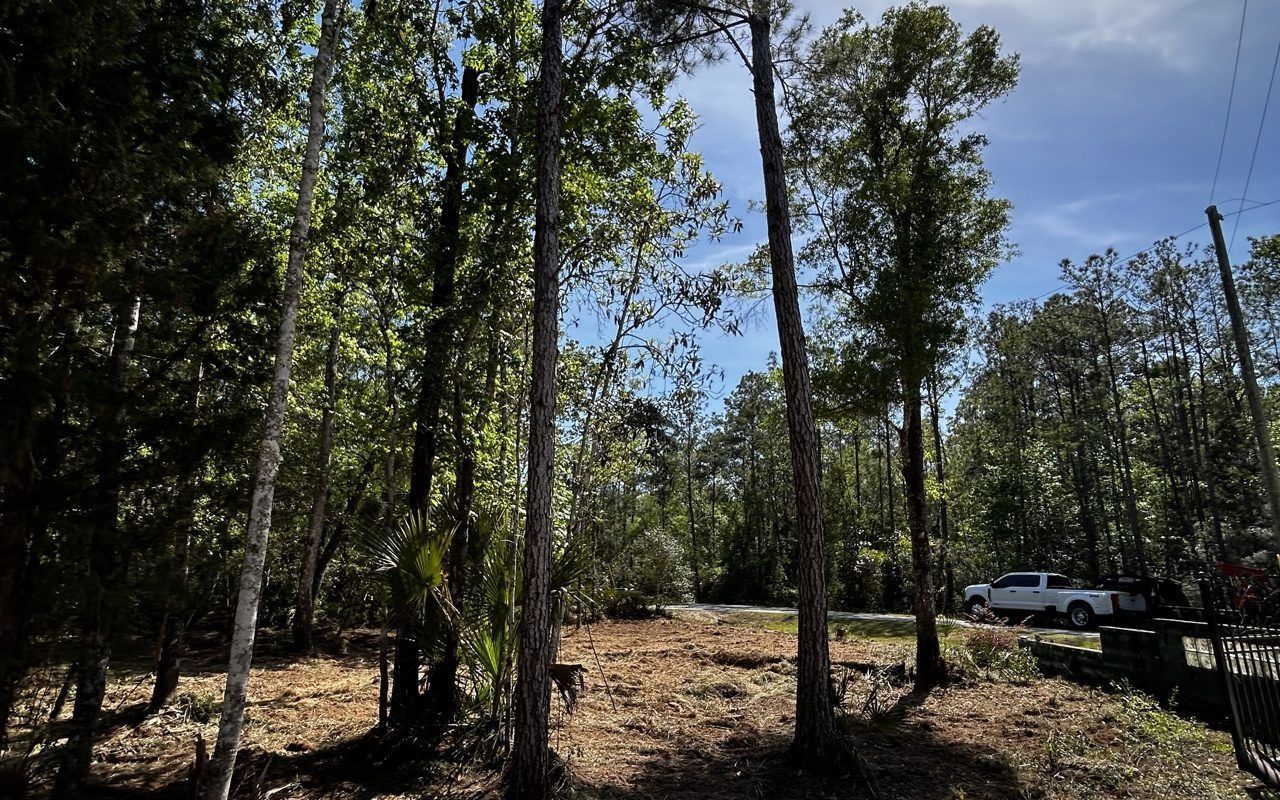
Severe weather events drop trees across driveways, scatter limbs and debris that prevent vehicle access, and leave damaged vegetation hanging over structures where further failure creates ongoing hazards. Prompt removal of fallen trees and storm debris restores safe property access and eliminates conditions that delay insurance assessments or prevent residents and tenants from returning to affected sites. Properties across Leon County, Wakulla County, Madison County, and nearby communities experience storm damage patterns tied to high winds, saturated soils, and pine stands that fail when root systems lose holding capacity during prolonged rain events.
Storm cleanup addresses immediate access concerns by removing trees blocking roads and driveways, clearing debris fields that cover yards and parking areas, and cutting away damaged limbs that remain attached but pose falling hazards. Rowdy Forestry LLC prioritizes properties where storm damage prevents safe access or creates liability concerns, with additional land management services available once cleanup restores basic site functionality.
Contact the team promptly following storm damage to arrange debris removal and restore access to affected properties.
What Storm Cleanup Actually Accomplishes
Cleanup begins with assessment of fallen trees and debris distribution to determine equipment access routes and identify hazards like damaged power lines or unstable trees that require specialized rigging before removal begins. Chainsaws and grapple equipment remove trees from structures and access routes, with debris either chipped on-site for properties with space for mulch piles or hauled to disposal facilities when material volume exceeds what can be processed in place.
After debris is removed, driveways become passable for emergency vehicles and daily traffic, yards are cleared of limbs and scattered vegetation that prevent property use, and hanging branches are cut away so structures no longer face falling hazards during subsequent wind events. Cleanup does not include stump grinding, tree planting, or roof repairs, which require separate contractors with different equipment and expertise once initial debris removal is finished.
Storm cleanup applies to residential properties, commercial sites, agricultural land, and hunting properties where weather damage limits access or creates safety concerns. Response times vary based on storm severity and service area demand, with widespread events requiring triage based on access urgency and hazard severity across multiple properties.
Common Questions About This Service
Property owners dealing with storm damage typically want to understand response timing, service scope, and how cleanup integrates with insurance claims and follow-on land management work.
What happens during the initial storm damage assessment?
Site visits identify trees and debris blocking access, evaluate whether specialized equipment or rigging is needed for safe removal, and determine whether power lines or other utilities are involved, which affects whether cleanup can proceed immediately or requires coordination with utility providers.
How quickly can storm cleanup be scheduled after severe weather?
Response timing depends on storm severity and the number of properties affected across the service area, with priority given to sites where blocked access prevents residents from returning or where falling hazards create immediate safety concerns.
What types of debris are removed during storm cleanup?
Fallen trees, large limbs, scattered branches, and vegetation debris that covers driveways, structures, or yards are cleared, while leaves, small twigs, and root balls embedded in the ground typically remain unless specifically requested and accessible to equipment.
How does storm cleanup in Tallahassee differ from routine tree removal?
Cleanup focuses on restoring access and removing immediate hazards rather than selective tree removal or aesthetic pruning, with equipment prioritizing efficiency and debris volume processing over finished appearance that non-emergency tree work provides.
When should additional land management services be scheduled after storm cleanup?
Properties with extensive tree failure or vegetation damage often benefit from follow-on forestry mulching or land clearing to address remaining damaged stands and improve long-term storm resilience, with scheduling coordinated after initial debris removal restores site access.
Rowdy Forestry LLC provides storm cleanup for residential, commercial, agricultural, and recreational properties where severe weather creates access and safety concerns. Call (850) 284-0172 following storm events to arrange prompt debris removal and property access restoration.