
Water Features Built for Your Property's Goals
Pond Installation in Tallahassee for properties requiring water sources for livestock, recreation, drainage management, or aesthetic enhancement
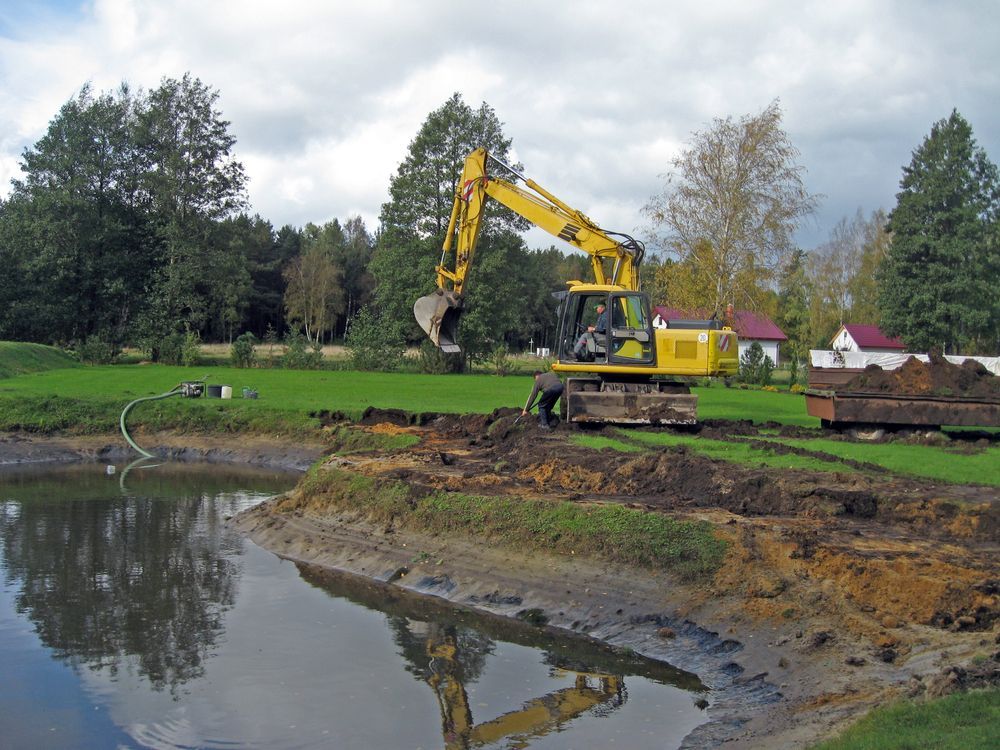
Agricultural properties need reliable livestock water sources, recreational land benefits from fishing and wildlife habitat features, and some sites require stormwater detention capacity that standard drainage systems do not provide. Excavation and construction of ponds addresses these needs through customized designs based on each property's topography, soil conditions, and intended use. Rowdy Forestry LLC installs ponds across North Florida and South Georgia where water availability, property layout, and landowner objectives determine pond size, depth, and placement within the overall site plan.
Pond design considers watershed size, soil permeability, and seasonal water table fluctuations that affect whether ponds maintain stable water levels year-round, with excavation depths and dam construction methods adjusted to match site-specific conditions. When properties require both pond installation and land clearing, vegetation removal and site preparation occur first to establish working areas for excavation equipment and ensure pond placement does not conflict with retained trees or existing infrastructure.
Schedule a free on-site consultation to evaluate property topography and discuss pond designs that align with your land use objectives.
What Proper Pond Construction Requires
Pond installation begins with site evaluation to identify locations where natural drainage patterns and soil composition support pond construction without requiring imported clay liners or extensive dam reinforcement. Excavation removes topsoil and subsurface material to design depth, with spoil material used to construct dam structures or spread across adjacent areas where grading is needed, and final shaping establishes slopes that prevent erosion and allow safe access to water.
Once excavation is complete and dams are compacted, the pond basin fills naturally through rainfall and runoff, with water levels stabilizing over weeks based on local precipitation patterns and groundwater contribution. Properties gain functional water sources for cattle and horses, fishing opportunities that add recreational value, wildlife habitat that attracts waterfowl and deer, or drainage capacity that reduces flooding in low areas where water previously pooled without outlet.
Pond construction accounts for required setbacks from property lines, utility easements, and septic drain fields that limit where excavation can occur. The service includes excavation, dam construction, and final shaping, but does not include permitting services, fish stocking, or aquatic vegetation management, which property owners arrange separately based on their state and local requirements.
What Property Owners Usually Ask
Pond projects involve multiple variables that affect cost, timeline, and long-term performance, so landowners typically want to understand site suitability and design considerations before excavation begins.
What determines whether a property is suitable for pond construction?
Watershed size relative to pond surface area, soil types that hold water without excessive seepage, and topography that allows gravity-fed filling without pumping are primary factors, with site evaluations identifying whether natural conditions support pond development or require engineered modifications.
How large does a pond need to be for specific uses?
Livestock ponds supplying water for cattle herds typically require a minimum of one acre-foot of storage capacity, while recreational fishing ponds benefit from depths of eight feet or greater to support healthy fish populations and prevent complete temperature stratification during summer months in Tallahassee.
What happens to excavated material during pond construction?
Spoil material is used to build dam structures that impound water, spread across adjacent low areas to improve drainage, or graded into berms that define property boundaries, with material placement coordinated during the design phase to avoid unnecessary hauling costs.
How long does it take for a new pond to fill after construction?
Fill time depends on watershed size, seasonal rainfall patterns, and groundwater contribution, with most ponds in North Florida reaching stable water levels within three to six months after excavation is completed and vegetation establishes on dam slopes.
When should pond installation be scheduled relative to other land improvements?
Excavation is typically scheduled after land clearing and site prep are complete but before final grading or infrastructure installation occurs, allowing pond placement to integrate with overall property layout without requiring equipment to cross finished areas.
Rowdy Forestry LLC constructs ponds for agricultural, recreational, and drainage purposes across properties where water features align with land management goals. Contact us to walk your property and discuss pond designs suited to your site conditions and intended use.